
Wind Energy in Kentucky Today
Although wind energy is not as common in Kentucky, it is still a renewable energy source that contributes to the regional economy. The National Laboratory of the Rockies (NLR) has identified limited areas with utility-scale wind potential in Kentucky, which could lead to future development.
What Is Wind Energy?
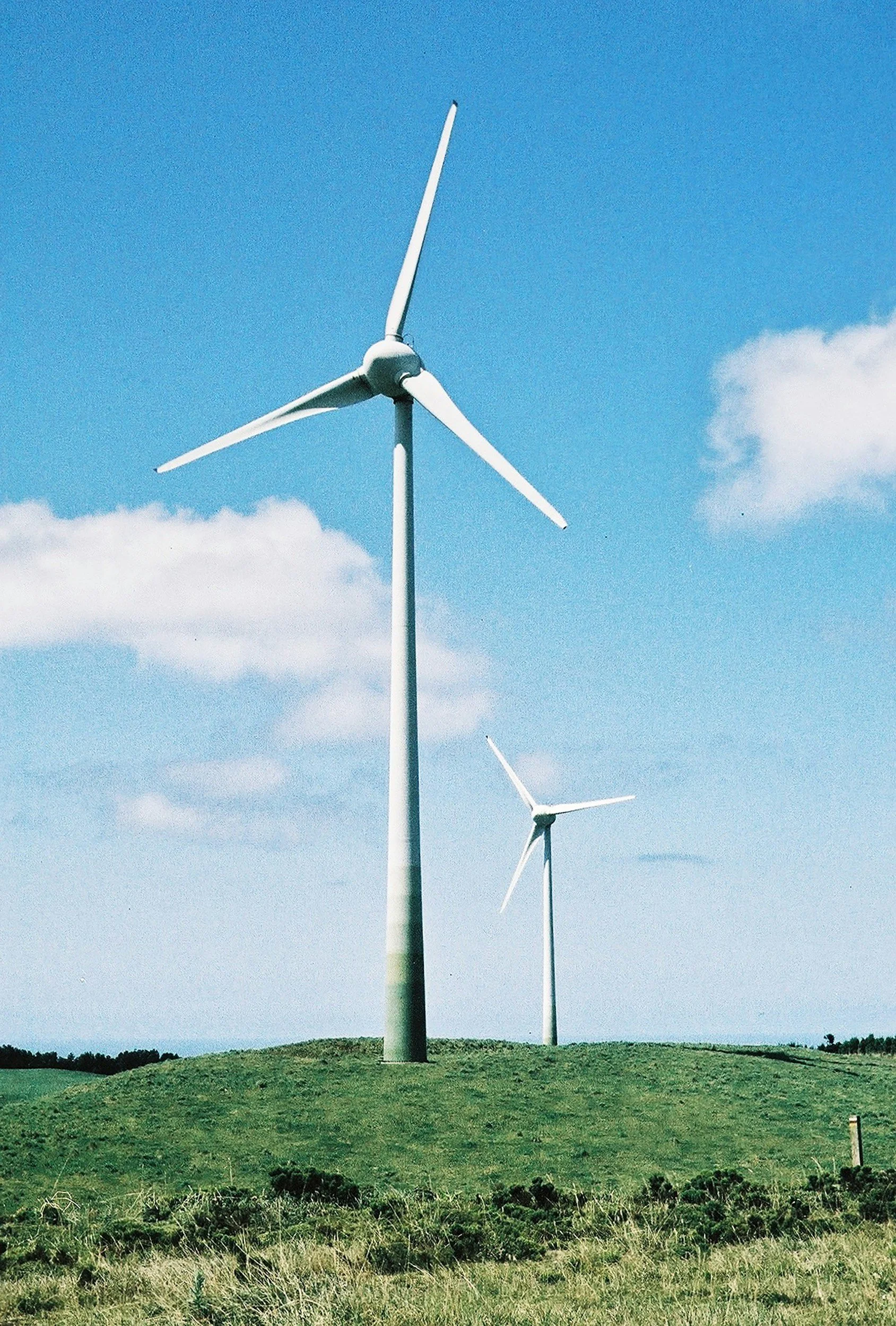
Wind turbines convert the movement of air into electricity. Wind power is one of the fastest-growing energy sources in the United States. Currently, funding for wind energy is supporting off-shore wind farms and new turbine technology.

Wind Energy Statistics
Wind energy supplies approximately 10% of total U.S. electricity generation.
Kentucky currently has no major utility-scale wind farms in operation.
Neighboring Indiana has more than 3,500 megawatts (MW) of installed wind capacity.
Iowa generates more than 50% of its electricity from wind power, demonstrating the potential of strong wind resources.
Wind turbines can exceed 500 feet in height and generate enough electricity to power hundreds of homes.
Wind Energy in Kentucky Today
Limited Development:
Kentucky currently has very little utility-scale wind generation compared to many neighboring states. According to the U.S. Energy Information Administration (EIA), wind power contributes less than 1% of Kentucky’s in-state electricity generation.
Regional Connection:
Although Kentucky produces little wind power itself, the regional electric grid increasingly receives electricity from wind farms located throughout the Midwest. States such as Indiana and Illinois generate significant amounts of wind energy that can help supply electricity across the broader regional transmission network.
Benefits
No fuel costs
No direct air emissions
Low operating costs
Supports energy diversification
Challenges
Many states have limited wind resources
Electricity production varies with weather conditions
Large turbines require significant upfront investment
Wind farms require significant land use and can threaten wildlife such as birds.
Future Potential:
Some areas of Kentucky have moderate wind resources, but the state's terrain and wind speeds generally make large-scale development more challenging than in states such as Indiana, Illinois, or Iowa.
Why Consider Wind?
Although wind is limited in Kentucky, it still has many benefits:
Wind energy produces electricity without burning fuel.
Operating costs are low after construction.
Wind can help diversify energy supplies.
It reduces dependence on imported fuels.
Looking Ahead:
While wind is unlikely to become Kentucky's dominant energy source, it may pair with solar energy to contribute to a more diverse and stable regional energy portfolio in the coming decades.