
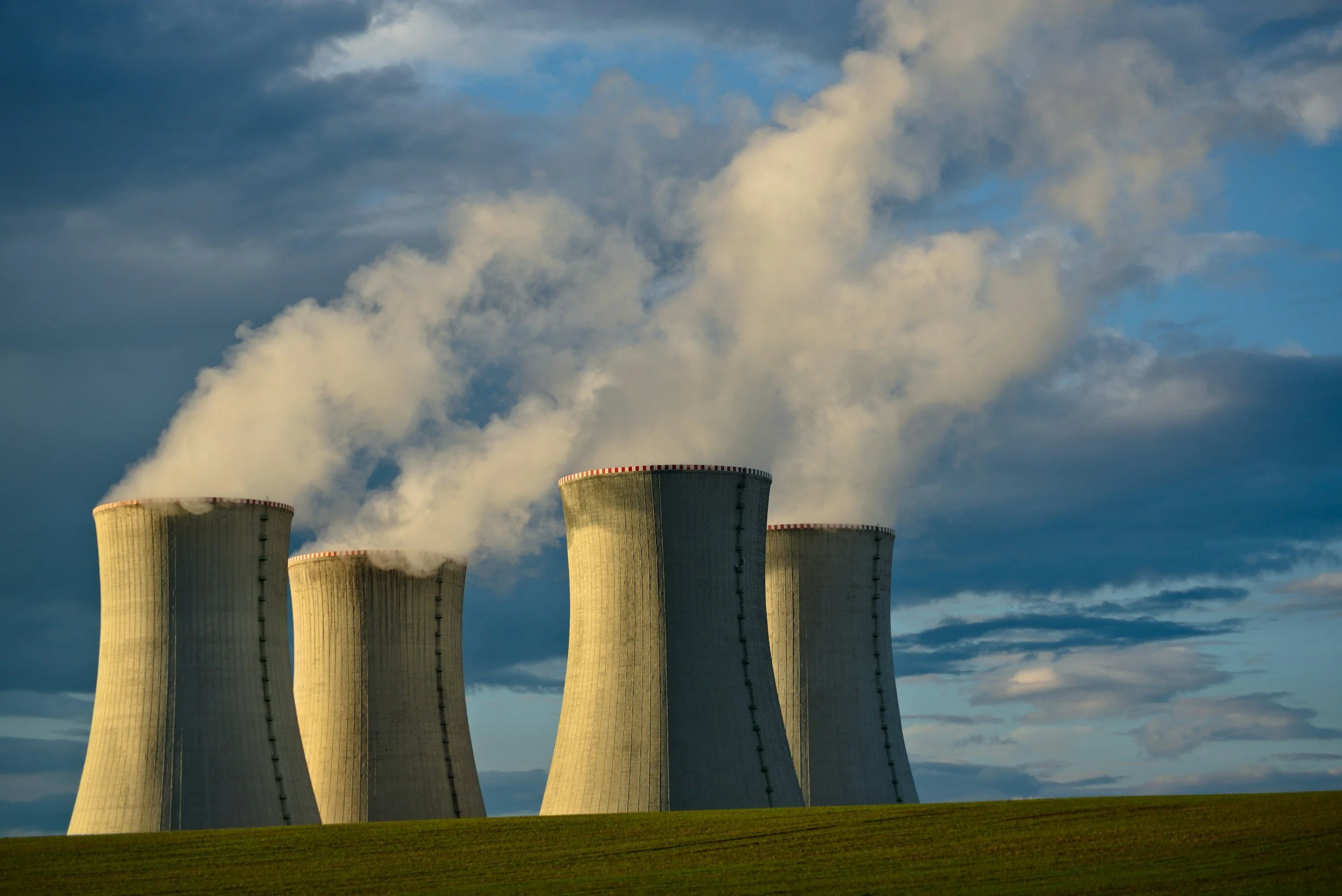
Nuclear Energy in Kentucky Today
Nuclear energy is a powerful low-carbon energy source that is sometimes misunderstood. While the state currently has no operational facilities, nuclear energy is a strong part of the regional power grid and will potentially play a larger role in Kentucky’s future energy profile.
What Is Nuclear Energy?
Nuclear power plants generate electricity through controlled chemical reactions. The reactions continuously produce heat, which creates steam to turn turbines connected to generators.
Key Statistics:
Approximately 19% of U.S. electricity comes from nuclear energy
Nearly 50% of U.S. carbon-free electricity is generated by nuclear power
U.S. nuclear plants operate at an average capacity factor exceeding 92%
More than 90 commercial nuclear reactors currently operate in the United States
The total high-level radioactive waste generated by a person using nuclear energy for an entire lifetime would fit inside a single soda can
Nuclear Energy in Kentucky Today
No Nuclear Plants in Kentucky:
Kentucky does not currently operate any commercial nuclear power plants.
Regional Electricity Source:
Although Kentucky has no nuclear generating stations, the state is connected to a regional electric grid that includes nuclear facilities in neighboring states such as Tennessee and Ohio. As a result, some of the electricity used in Kentucky comes from nuclear power generated elsewhere.
A Major U.S. Energy Source:
According to the U.S. Energy Information Administration (EIA), nuclear energy provides approximately 19% of total U.S. electricity generation and accounts for nearly half of the nation's carbon-free electricity production.
Benefits
Reliable baseload electricity
Very low greenhouse gas emissions
High energy density (More bang for your buck)
Long operating lifespans, often 40–80 years
Small land footprint compared to many other energy sources
Advanced technology has considerably improved safety and minimized waste production
Challenges
High construction costs
Long development timelines
Management and storage of radioactive waste
Extensive regulatory requirements
Limited by state and federal legislature and public perception
Reliable Generation:
Nuclear power plants typically operate more than 92% of the time, making them one of the most reliable sources of electricity in the United States. Unlike solar and wind energy, nuclear plants can generate electricity continuously regardless of weather conditions.
Safety and Waste Production
While nuclear energy has been criticized in the past, advanced technology and public policy updates have made nuclear power generation and waste disposal much safer. One scientific article even considers nuclear energy the “safest and most renewable clean energy.” Modern plants are equipped with passive safety systems, physical barriers, and other features that use scientific principles to ensure safe operating. Further, modern reactors, or “fourth generation reactors”, have been designed to optimize efficiency and produce less nuclear waste. For more information about safety, visit here.
Why Is Nuclear Important?
Nuclear energy has gained a lot of attention as a potential renewable energy source because of its ability to:
Produce large amounts of electricity from a small amount of fuel
Provide reliable 24-hour power generation
Emit no carbon dioxide during operation
Support electric grid stability
Help diversify energy supplies and improve economies
Looking Ahead:
Advanced nuclear technologies, including small modular reactors (SMRs), are being developed across the United States and may offer future opportunities for states seeking reliable, carbon-free electricity. While Kentucky does not currently house any active nuclear power plants, nuclear energy continues to play an indirect role in the state's electricity supply through the regional power grid. The state is also funding advanced nuclear energy projects through multiple state grants, legislative initiatives, and university partnerships, making nuclear energy a rising contender in future electricity generation.