
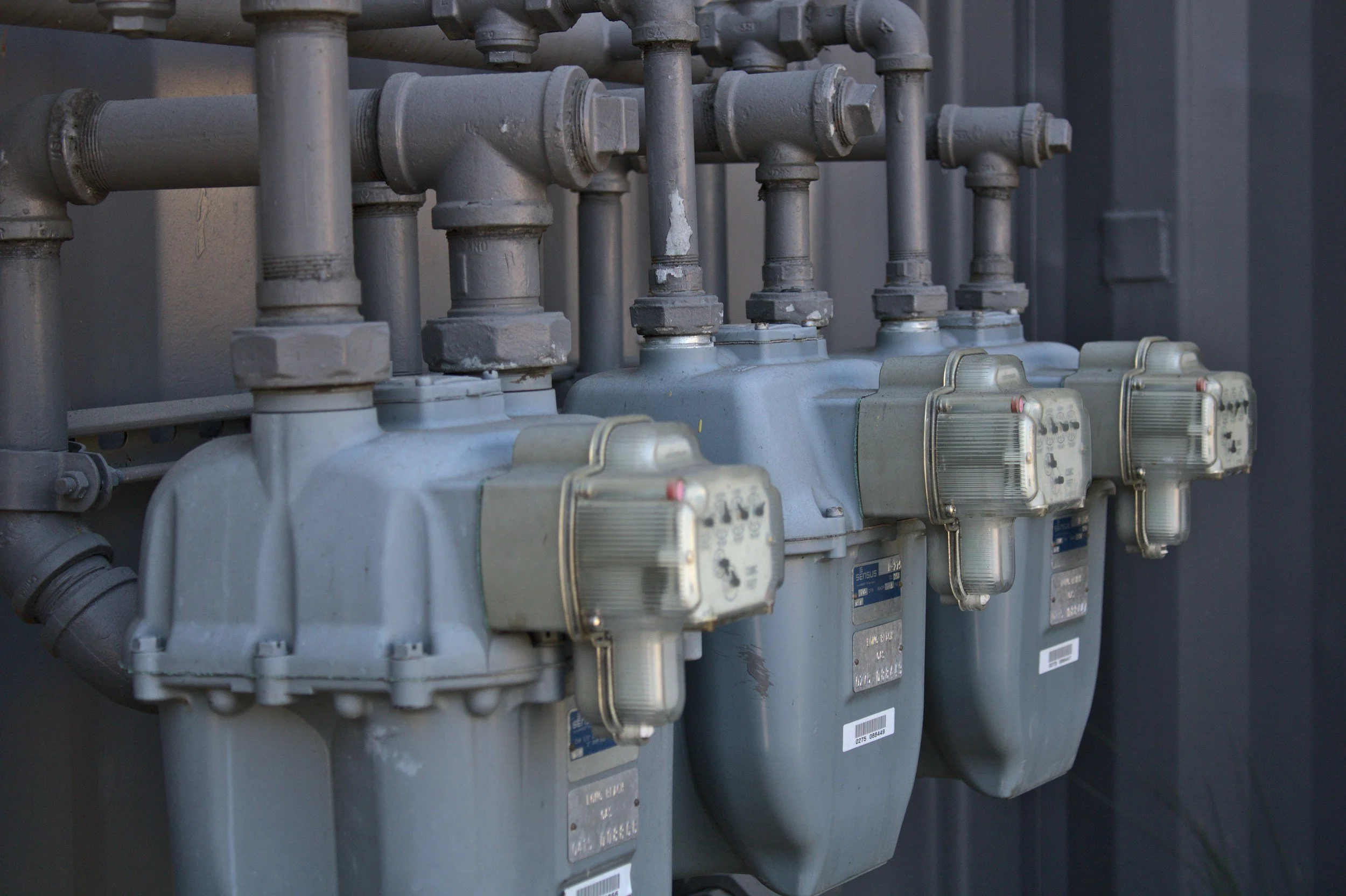
Natural Gas in Kentucky Today
Natural gas generated approximately 26% of Kentucky's electricity in 2025, making it the state's second-largest source of power after coal. Ten years ago, natural gas provided only a small share of Kentucky's electricity, but its role has grown rapidly.
What Is Natural Gas?
Natural gas is a fossil fuel used to generate electricity, heat homes and businesses, and power some industrial processes. It is primarily made of methane and is delivered through an extensive network of underground pipelines.

Kentucky's Natural Gas Infrastructure
Kentucky produces some natural gas, primarily in Eastern Kentucky.
The state has 22 underground natural gas storage facilities capable of storing nearly 222 billion cubic feet of gas.
Kentucky consumes far more natural gas than it produces and relies on interstate pipelines to bring fuel into the state.
Natural Gas in Kentucky Today
Electricity Generation:
Natural gas generated approximately 26% of Kentucky's electricity in 2025, making it the state's second-largest source of power after coal. Ten years ago, natural gas provided only a small share of Kentucky's electricity, but its role has grown rapidly.
Home and Business Use:
More than 790,000 Kentucky households and nearly 90,000 businesses use natural gas for heating, cooking, water heating, and other energy needs.
Industry:
Natural gas is widely used by Kentucky manufacturers and industries. In 2024, the electric power sector and industrial sector together accounted for nearly 80% of the natural gas consumed in the state.
Benefits
Reliable source of electricity
Lower CO2 emissions than coal
Supports manufacturing and economic development
Can respond quickly during periods of high electricity demand
Challenges
Still a fossil fuel that produces greenhouse gas emissions
Subject to fuel price fluctuations
Kentucky depends heavily on gas produced outside the state
Competes with growing renewable energy sources such as solar and wind
Why Has Natural Gas Grown?
Several factors have increased natural gas use:
Natural gas power plants are generally less expensive to build than coal plants.
Natural gas produces fewer air pollutants and lower carbon emissions than coal when generating electricity.
Natural gas plants can quickly increase or decrease power production, helping meet changing electricity demand.
Large supplies from nearby shale formations have increased availability across the region.
Looking Ahead:
Natural gas has become an important bridge fuel in Kentucky's energy transition. While coal remains the state's largest source of electricity, natural gas is playing an increasing role in providing reliable power, supporting industry, and helping meet energy demand.