
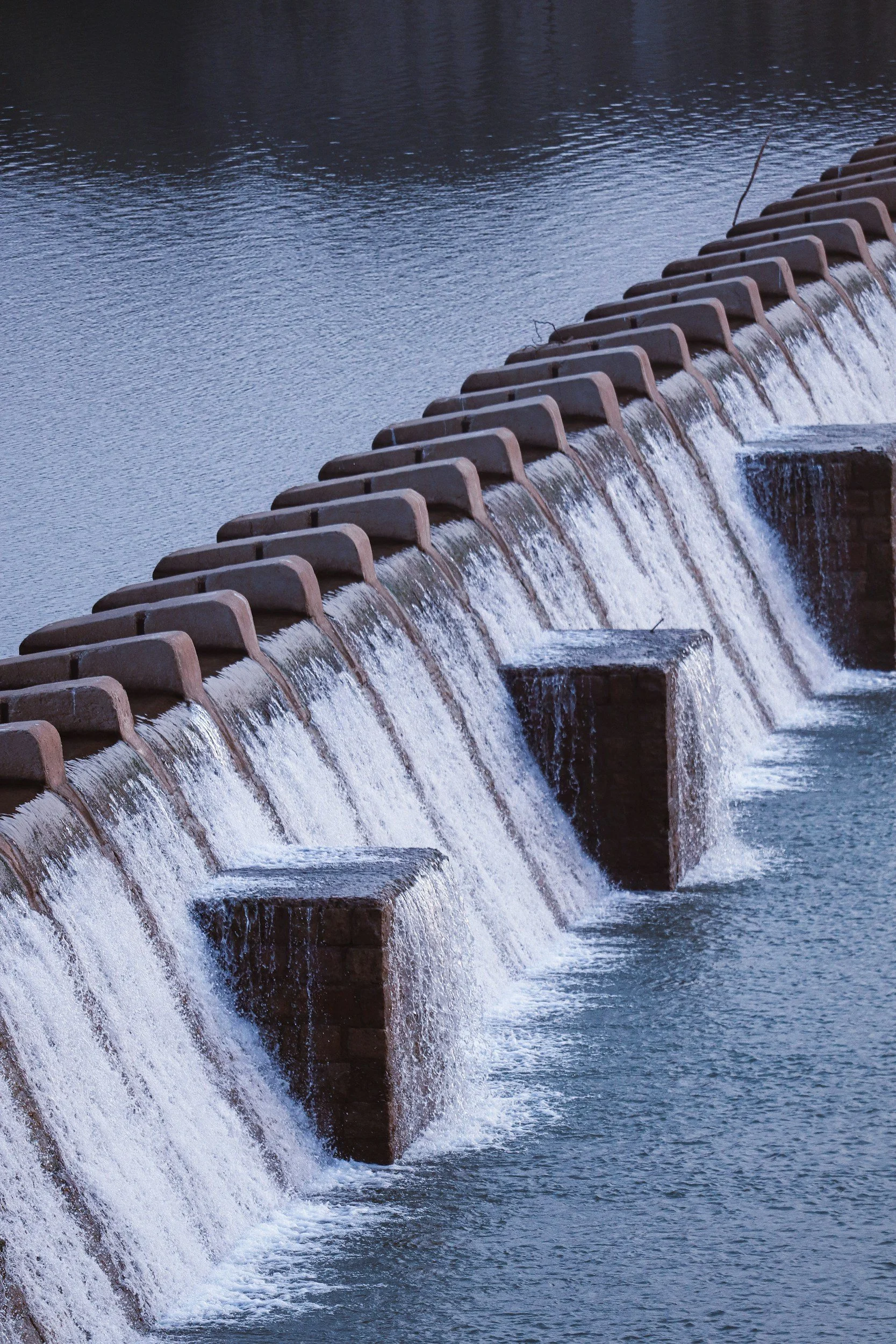
Hydropower in Kentucky Today
Hydropower has been Kentucky’s largest renewable energy generation source for roughly a century. While natural resources are at full capacity, research is being done to explore new projects, and hydropower remains a key player in the state’s energy mix.
What Is Hydropower?
Hydropower generates electricity by using flowing water to spin turbines connected to generators. It is similar to wind energy but instead of wind, running water is used to move the turbines. Hydropower takes advantage of natural flowing water sources such as rivers and streams.
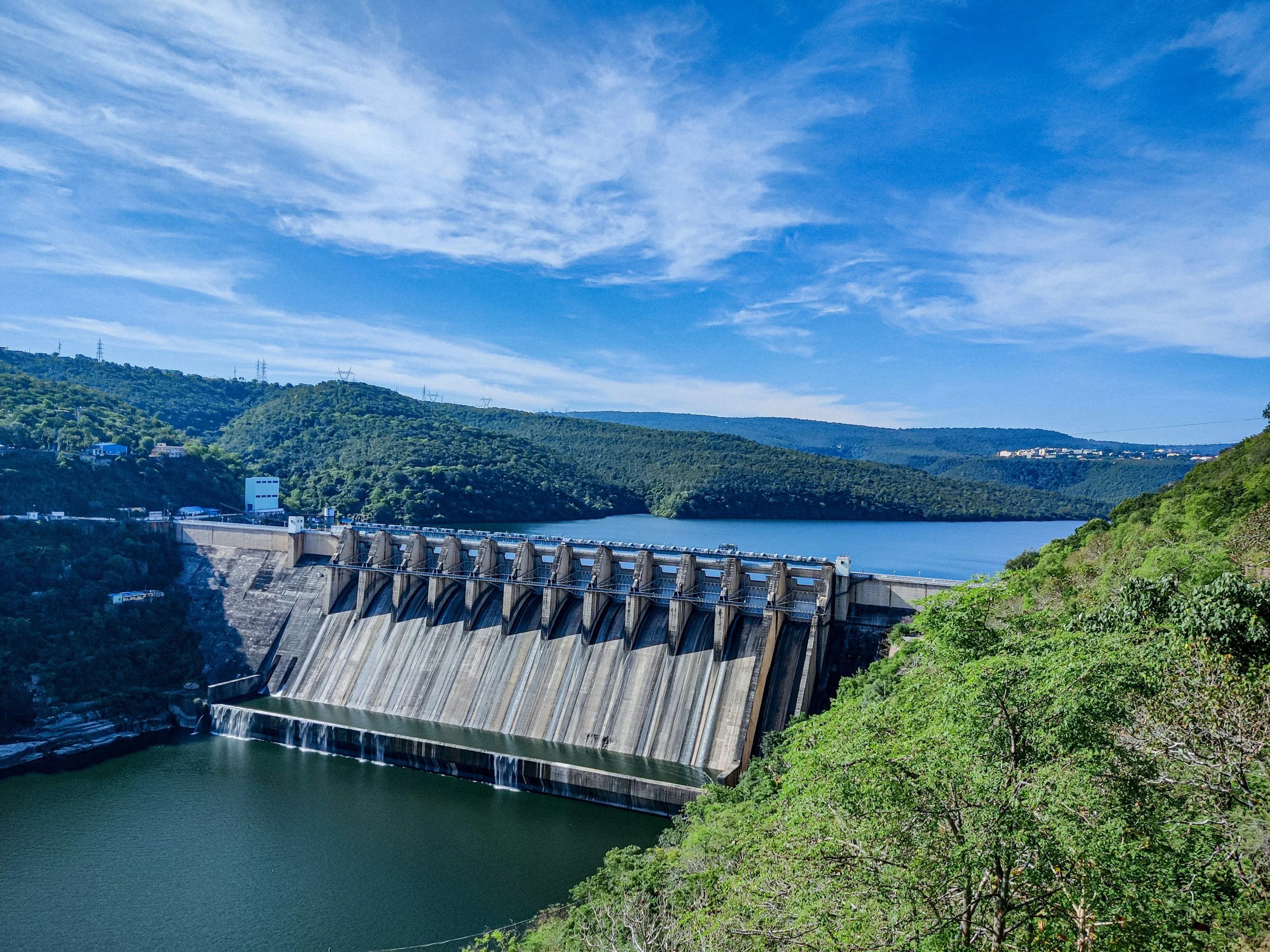
Kentucky’s Largest Renewable Electricity Generation Resource
Kentucky has approximately 1,000 megawatts (MW) of conventional hydroelectric generating capacity.
Hydropower typically provides about 4–6% of Kentucky's total electricity generation, depending on annual river flows and weather conditions.
The state is home to more than 20 hydroelectric facilities located on major waterways.
Kentucky ranks among the top states east of the Mississippi River for hydroelectric generation capacity.
Hydropower in Kentucky Today
River-Based Generation:
Hydropower facilities operate on major waterways including the Ohio, Kentucky, Cumberland, and Tennessee Rivers. While taking advantage of Kentucky’s natural water systems, hydropower facilities often retrofit old man-made structures for better control over electricity generation. For example, the Matilda Hamilton Fee Hydroelectric station converted the abandoned, broken-down Lock and Dam #12 to create a local, small scale power station to serve Estill County.
Reliable Renewable Energy:
Hydropower has long been Kentucky's largest source of renewable electricity. Unlike solar and wind, hydropower can often generate electricity around the clock when water flows are available, making it a reliable, carbon-free source of Kentucky power.
Benefits
No fuel requirements or costs
Reliable renewable energy
Long facility lifespan
Low operating costs
Challenges
Generation depends on river flows and weather conditions
New dam construction can impact ecosystems
Limited opportunities for large new projects
Why Hydropower Matters
Hydropower is an important part of the state’s energy profile because it:
Provides renewable electricity
Supports grid reliability
Uses existing river infrastructure
Produces very low greenhouse gas emissions
Looking Ahead:
Hydropower will likely remain an important renewable resource in Kentucky, providing dependable electricity while complementing other renewable energy sources. While growth for hydropower generation is limited by natural resource availability, new projects are underway for pumped storage hydropower. One major example in the Lewis Ridge project. Learn more about it here.