
Biomass in Kentucky Today
Biomass represents a small, but important part of Kentucky’s economic development. While biomass only produces 0.6% of the state’s electricity generation, it has multiple other uses that support Kentucky’s agricultural and forestry sectors and reduce waste.
What Is Biomass Energy?
Biomass energy comes from organic materials such as wood waste, agricultural residues, landfill gas, and other plant-based materials. These materials can be converted into energy through burning, chemical reactions, or biological breakdown by bacteria.
Kentucky Biomass Facts:
Kentucky has an installed capacity of 111.8 MW of biomass electricity generators.
Kentucky has approximately 12.5 million acres of forestland, providing a major source of woody biomass.
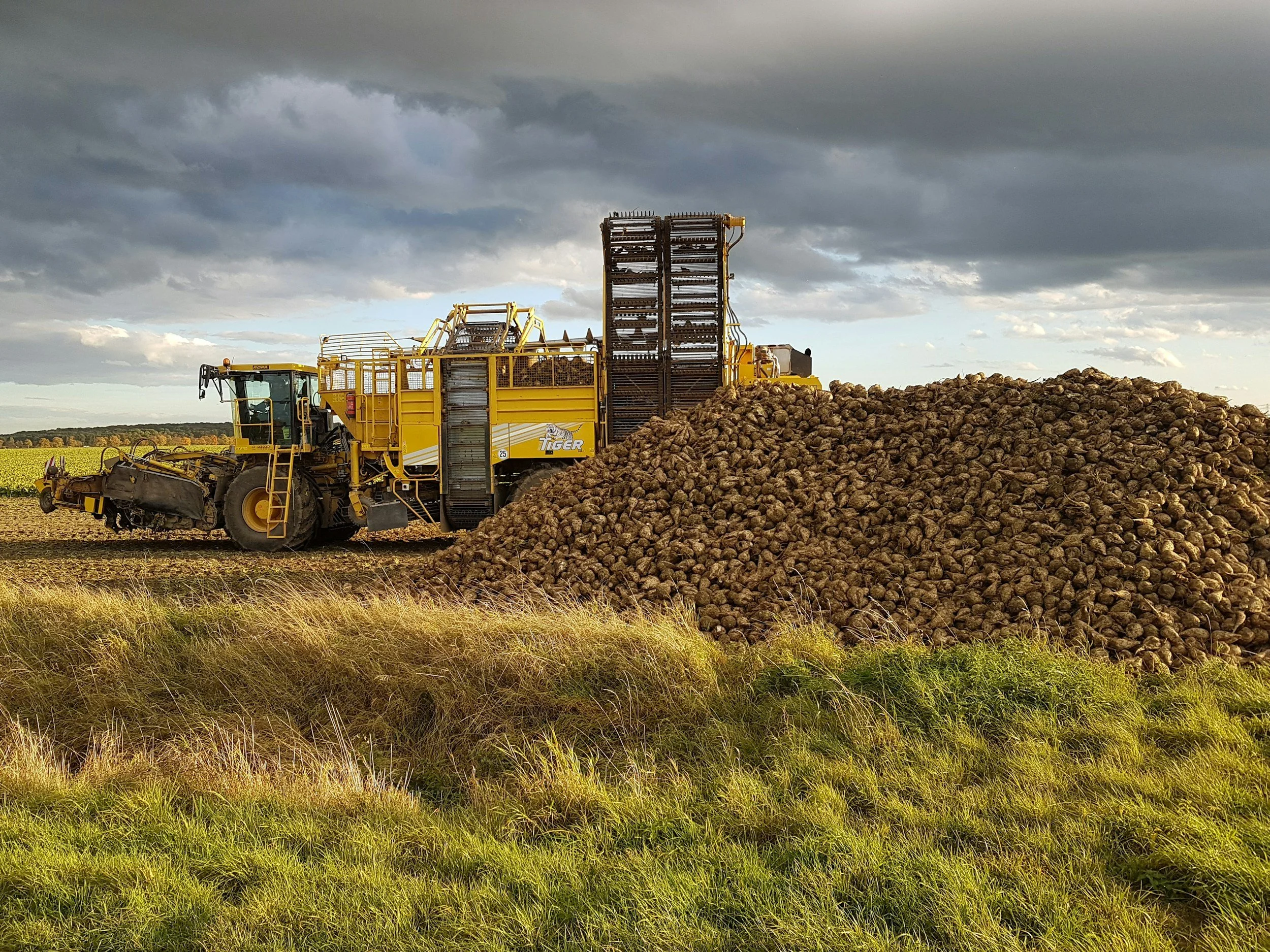
The state has more than 12 million acres of farmland that can produce agricultural residues suitable for biomass applications.
Landfill gas-to-energy (LFGTE) projects capture methane, a greenhouse gas that is more than 25 times as potent as carbon dioxide over a 100-year period.
Biomass is one of the few renewable energy sources that can provide electricity on demand rather than depending on weather conditions.
Biomass Energy in Kentucky Today
Agricultural and Forestry Resources:
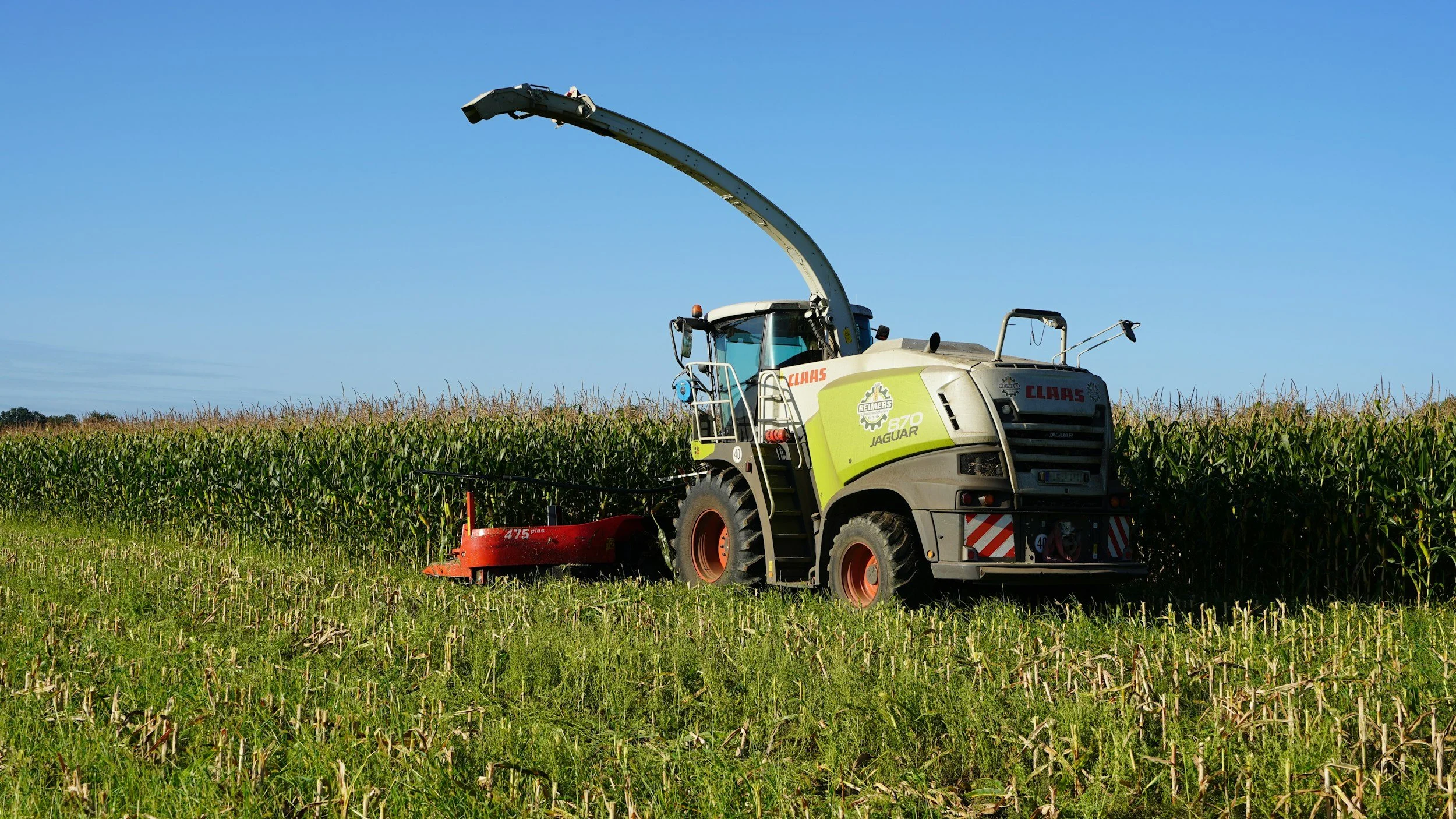
Kentucky's agricultural and forestry industries provide significant biomass resources for energy production. The state has more than 12 million acres of farmland and approximately 12.5 million acres of forestland, creating substantial potential feedstocks for biomass energy.
Electricity Generation and Other Uses:
Biomass contributes a small share of Kentucky's electricity generation, primarily through landfill gas facilities, wood waste utilization, and other biomass-powered systems. Its major advantages come from its multiple other uses. Biomass can be used to:
Generate electricity
Produce heat for industrial and commercial facilities
Create transportation fuels such as ethanol and biodiesel
Capture methane from landfills for energy production
Benefits
Utilizes renewable organic materials
Supports local industries and jobs
Can generate power on demand
Reduces waste streams
Makes use of existing agricultural and forestry byproducts
Challenges
Requires a continuous and reliable fuel supply
Transportation and collection costs can be significant
Emissions vary depending on fuel source and technology
Large-scale biomass facilities may face feedstock availability constraints
Low energy density
Waste Reduction:
Many biomass projects use materials that might otherwise be discarded, burned, or sent to landfills, helping reduce waste while producing useful energy.
Why Is Biomass Important?
Biomass is less common as a source of electricity. But spread across multiple uses, it strongly contributes to economic development by:
Using locally available renewable resources
Supporting Kentucky's agricultural and forestry sectors
Helping to reduce waste streams
Providing dispatchable energy that can be generated when needed
Contributing to rural economies and workforce development
Looking Ahead:
Biomass is likely to remain a smaller but important part of Kentucky's energy mix, particularly in areas with strong agricultural and forestry resources. Future growth may come from expanded use of landfill gas, wood waste, agricultural residues, and emerging biofuel technologies.